Britain is crying out for more scientists, engineers and innovators, yet one of the biggest…
How good fitted furniture in schools helps combat mental health issues
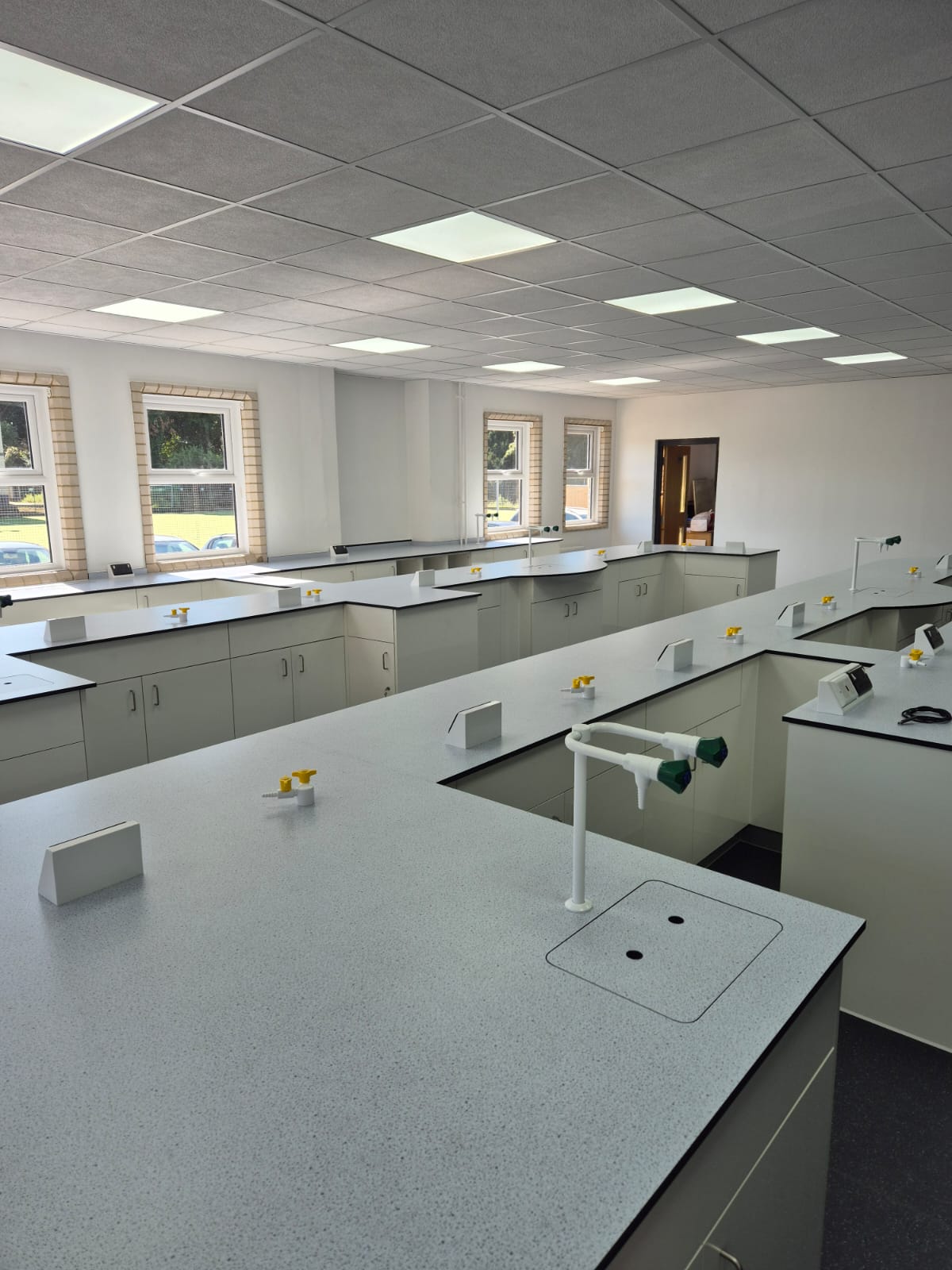
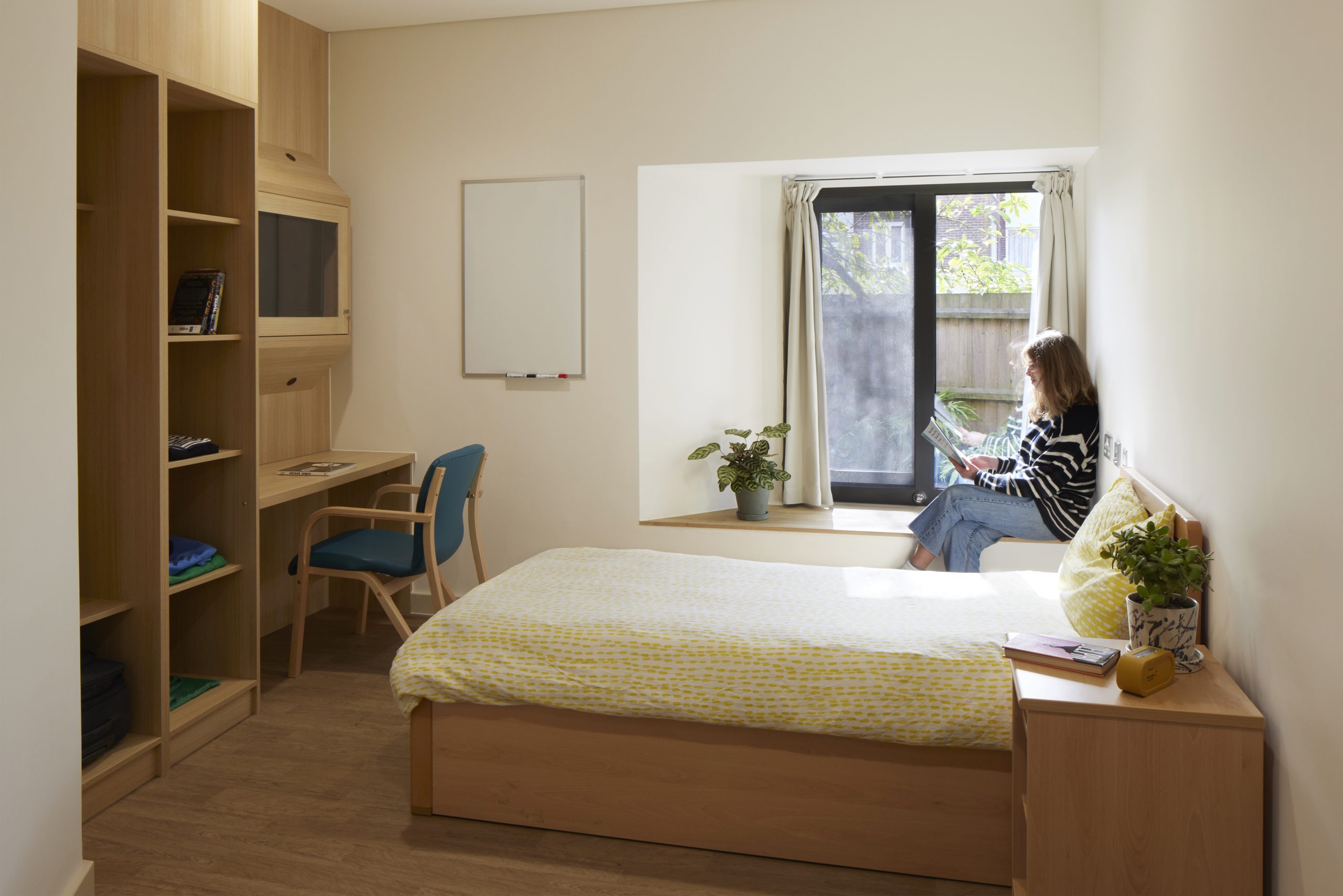
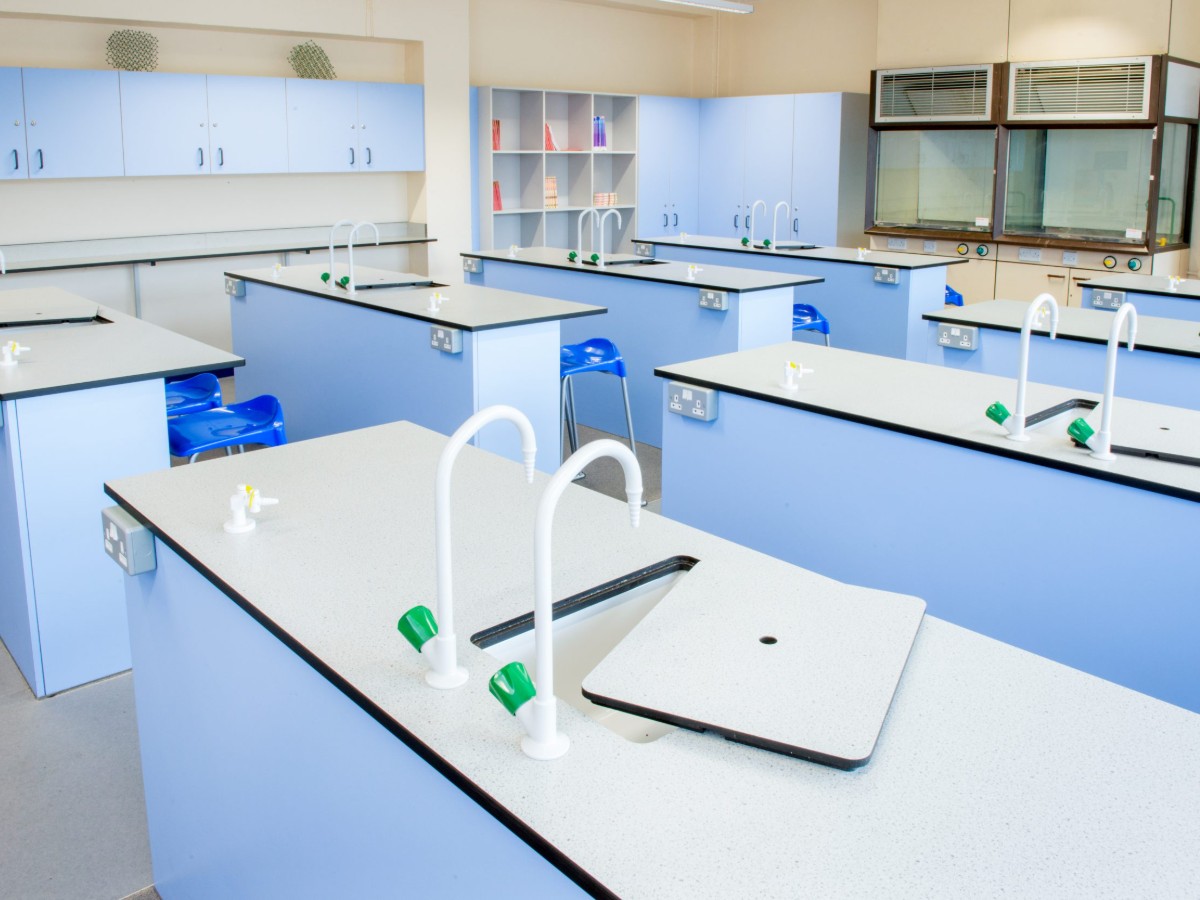
Schools play a vital role in shaping young minds, providing environments that need to be functional and have the ability to deliver a sense of calm, security and well-being. Against such a background, it may come as a surprise to learn that exceptional fitted furniture design emerges as a powerful tool in creating such supportive learning spaces, helping to meet and overcome certain mental health issues, writes Tony Huggins, managing director of David Bailey Furniture.
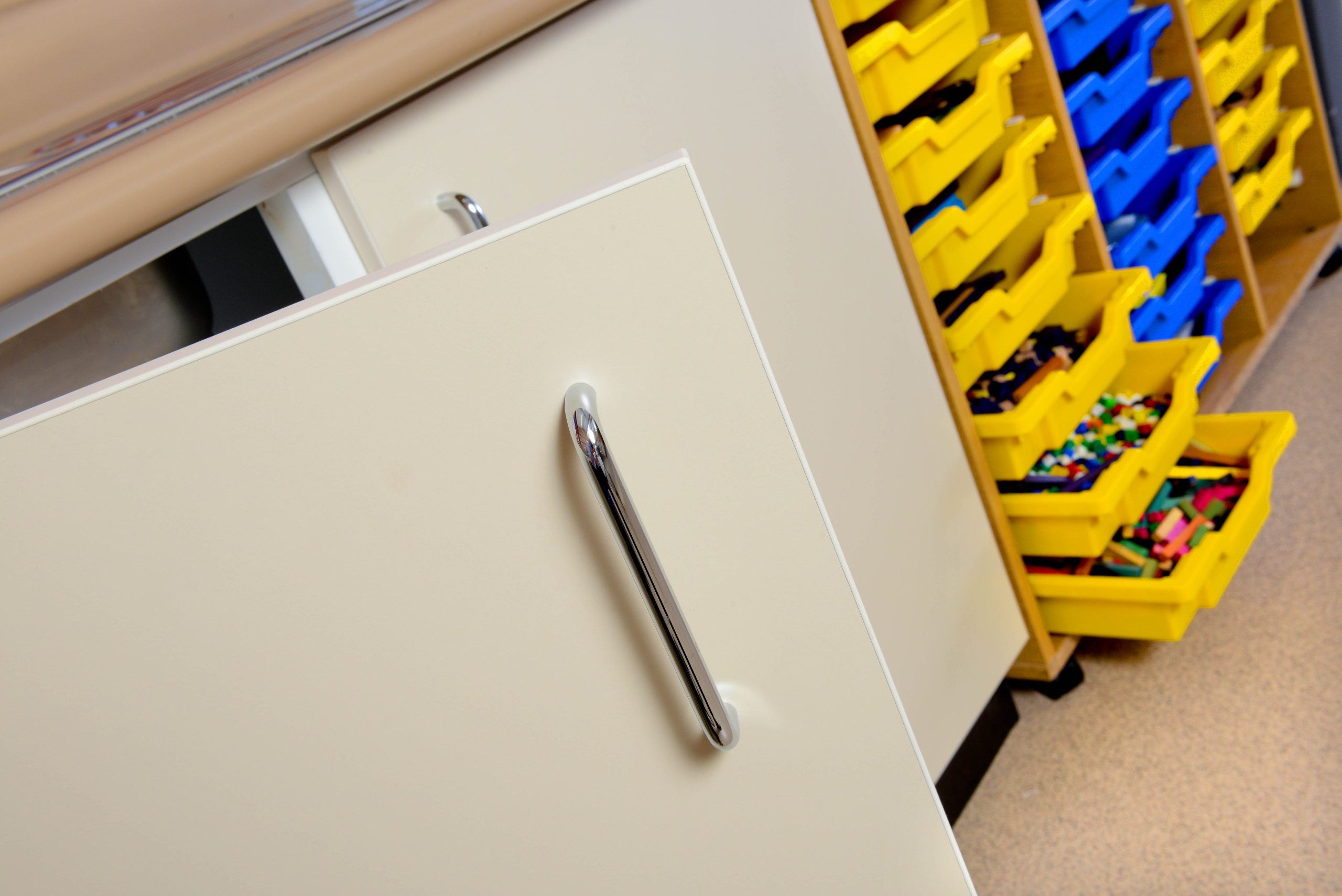
Schools often cater to students who may struggle with anxiety, sensory overload or difficulty concentrating. Fitted furniture, with its defined spaces and built-in storage, creates a sense of order and predictability. Shelving and cabinets eliminate clutter, providing dedicated spaces for books, resources and personal belongings. This can significantly reduce distractions and promote a more organised learning atmosphere.
But how can robust fitted furniture be used to transform school classrooms and common areas into supportive and structured spaces? There is a simple answer and research shows that when furniture is thoughtfully arranged, it helps to create designated areas for focus, relaxation and collaboration. This is the power of good design, helping to shape a positive and effective learning environment.
Safety, in particular, is a paramount concern in any school environment and because of this, fitted furniture can be designed to minimise sharp corners and edges, reducing potential hazards. Additionally, built-in features such as secure drawers and cabinets can help safely store school supplies and learning materials. Furthermore, the inherent sturdiness of fitted furniture contributes to a sense of security and stability within the learning space.
For many practical reasons, schools often face space constraints, which is why effective fitted furniture design allows for efficient space utilisation. Walls and corners can be transformed into functional storage areas, maximising available floor space. This creates a sense of openness, which can be crucial for maintaining a comfortable and flexible learning environment.
Encouraging social interaction
Social interaction also plays a vital role in a child’s development and fitted furniture can be designed to facilitate positive peer engagement. For instance, incorporating built-in seating areas around fitted units encourages comfortable and engaging discussions. Similarly, designated activity areas equipped with specific tables alongside storage solutions can promote group projects, shared learning experiences and collaboration.
While consistency is important in a school setting, there is also room to allow for individual expression. Fitted furniture can be designed with bespoke features such as pinboards or display areas. This allows students to personalise their space with artwork, achievements or motivational quotes, fostering a sense of belonging and pride in their environment.
The materials used in fitted furniture also play a significant role in setting the tone of the space. Smooth finishes are easier to clean and maintain, contributing to a hygienic environment. These can complement soft furnishings like padded seating and ergonomic chairs for added comfort and a sense of warmth.
Furthermore, colours have a profound impact on mood and concentration, which is why companies like David Bailey Furniture incorporate stimulating yet calming colour palettes into their ranges. Soft tones like blues and greens promote focus, while vibrant colours can be strategically used to define areas for specific activities. For example, a splash of bright yellow can highlight a creative space, while a muted blue can define a quiet reading zone.
Designing for specific needs
Because schools cater to a diverse student population with varying needs, fitted furniture can be designed to accommodate different learning styles and accessibility requirements. It is possible, for example, to create vibrant and engaging classrooms using colour while maintaining a structured and secure environment. Built-in charging stations for digital devices, dedicated quiet zones for reflection and comfortable areas for group discussions and peer support can also be incorporated.
For special education settings, there is more of a focus on functionality and accessibility. Fitted furniture can be designed with features like lower work surfaces, sensory-friendly textures and easy-to-access storage solutions that support independent learning.
So, we can see that fitted furniture design presents a powerful tool for transforming schools into structured, engaging and inclusive learning spaces. By prioritising order, safety, space utilisation and opportunities for social interaction and personal expression, these thoughtfully designed environments can significantly contribute to a student’s well-being and educational journey, providing a silent yet powerful support system that promotes learning, confidence and a brighter future.
Related Posts